Why fibre comes first
Every autumn the same question returns in new clothing: why does one sweater feel warm in a drizzle while another turns clammy and cold? The answer is mostly in the fibre. Protein fibres from animals, such as wool, cashmere and alpaca, can absorb moisture vapour into their structure while still feeling dry. Cellulose fibres from plants, such as cotton and linen, absorb liquid water readily and release heat as they do. Synthetic fibres like acrylic and nylon absorb very little and depend on construction to manage moisture.
None of these is better in every season. A cotton knit is pleasant on a mild April afternoon and miserable on a wet November commute. This guide follows the year and asks what each fibre does well, where it struggles, and how to read its presence on a label.
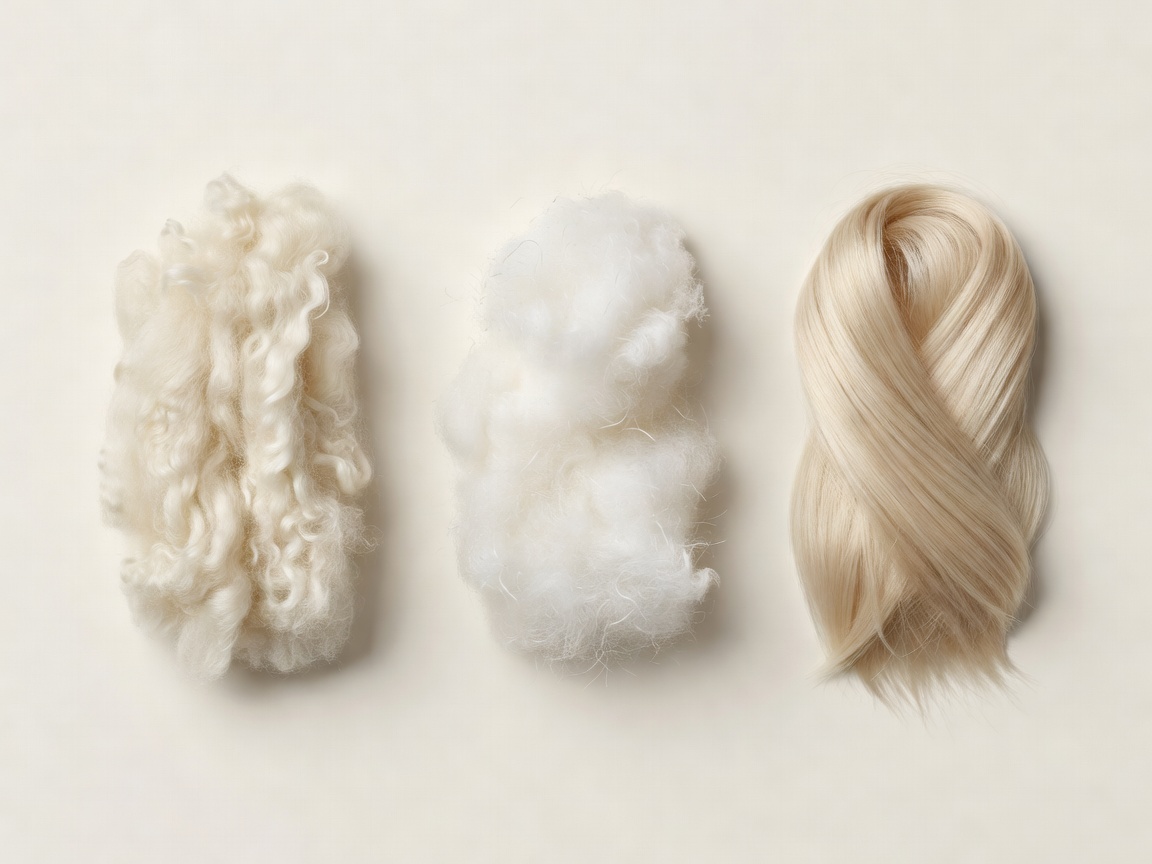
Merino and the wool family
Merino is a sheep breed developed in Spain and later bred extensively in Australia and New Zealand. Its fibre is fine and tightly crimped, meaning it waves along its length. That crimp keeps fibres from packing flat, so a merino knit holds a large amount of still air relative to its weight. Fibre diameter is measured in microns, thousandths of a millimetre. Much knitwear merino sits roughly between 17 and 24 microns; the finer end feels soft against the neck, the coarser end wears harder.
Wool fibres can take up a substantial share of their own weight in moisture vapour, figures of around 30 percent are commonly cited, before feeling wet. This is why wool keeps you comfortable through the temperature swings of a shoulder season. The natural wax lanolin is mostly removed in scouring, but traces help some wools shed light rain.
Beyond merino, Shetland wool from the islands north of Scotland is springy and slightly hairy, ideal for traditional stranded knitting. Lambswool, from a sheep's first shearing, is soft and lofty. The Woolmark Company, the Australian wool industry's marketing and certification body, licenses its logo for pure new wool products, and Textile Exchange's Responsible Wool Standard addresses animal welfare and land management on certified farms.
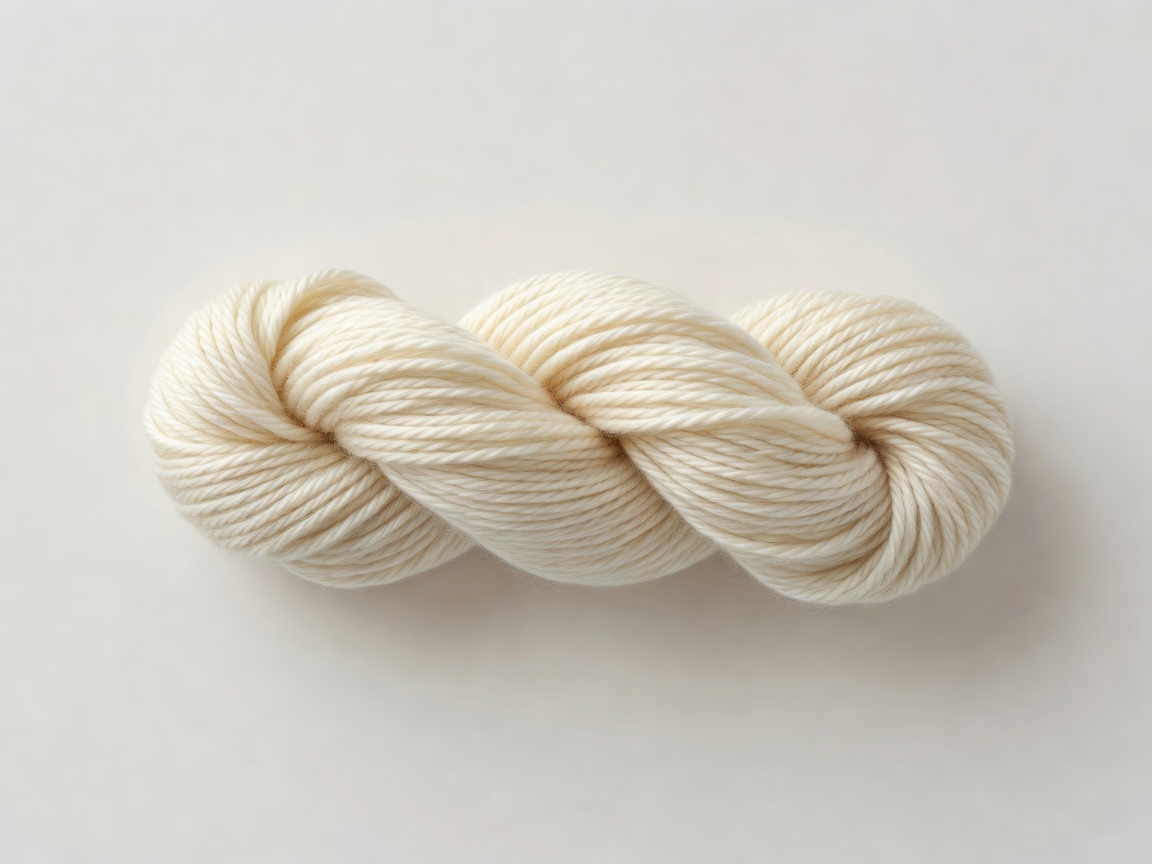
The hair fibres: cashmere, alpaca and mohair
Cashmere comes from the soft undercoat of cashmere goats, chiefly raised in Inner Mongolia and Mongolia, with historical ties to Kashmir. In the United States, the Wool Products Labeling Act limits the word "cashmere" to fibre averaging no more than 19 microns. It is exceptionally soft and warm for its weight, but short fibres in lower grades work loose and form pills quickly. A dense, tightly spun cashmere will outlast a loose, fluffy one.
Alpaca, raised in the Andes of Peru and Bolivia, has no lanolin and many of its fibres contain a hollow core, or medulla. It feels warm almost immediately and drapes heavily. That weight can cause stretching, so alpaca is often blended with wool for structure.
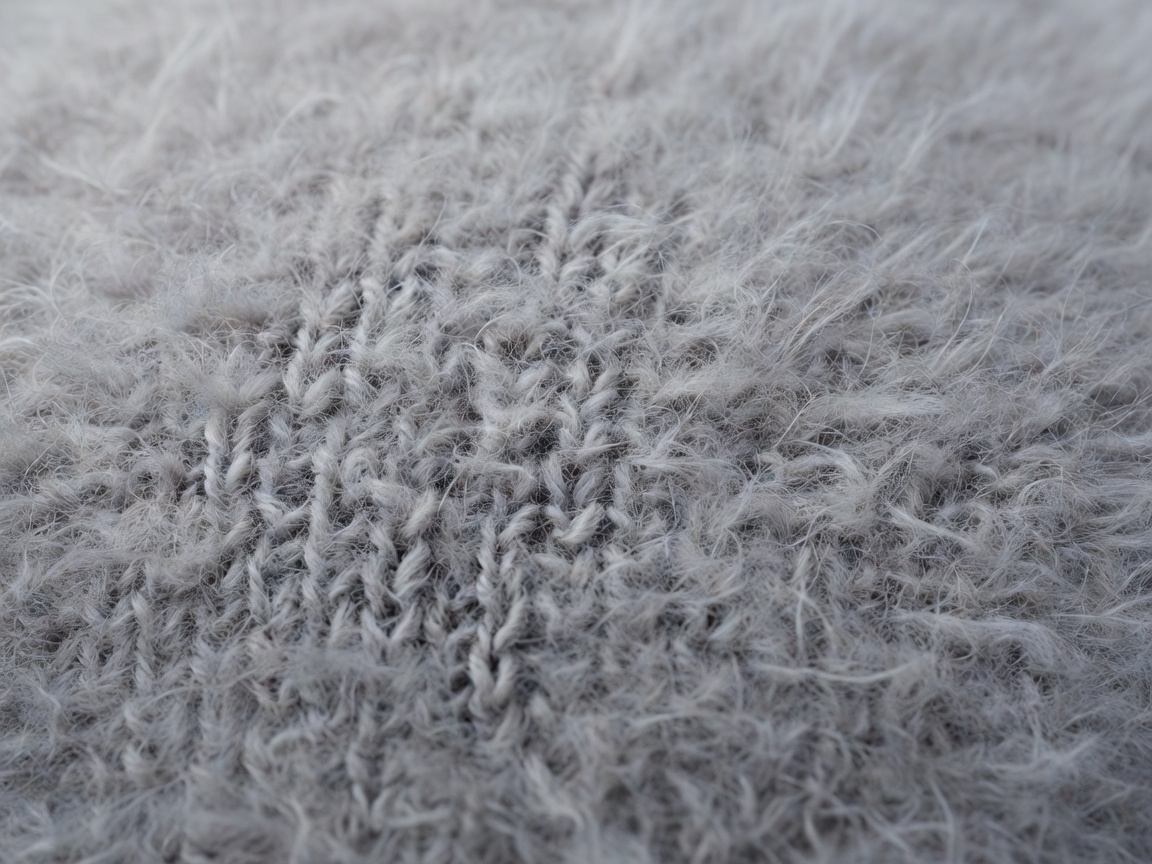
Mohair comes from the Angora goat; South Africa is among the largest producers. Its long, lustrous fibres reflect light and create a halo. Brushed mohair traps air in that halo, making a light garment surprisingly warm in deep winter.
Plant fibres, synthetics and blends
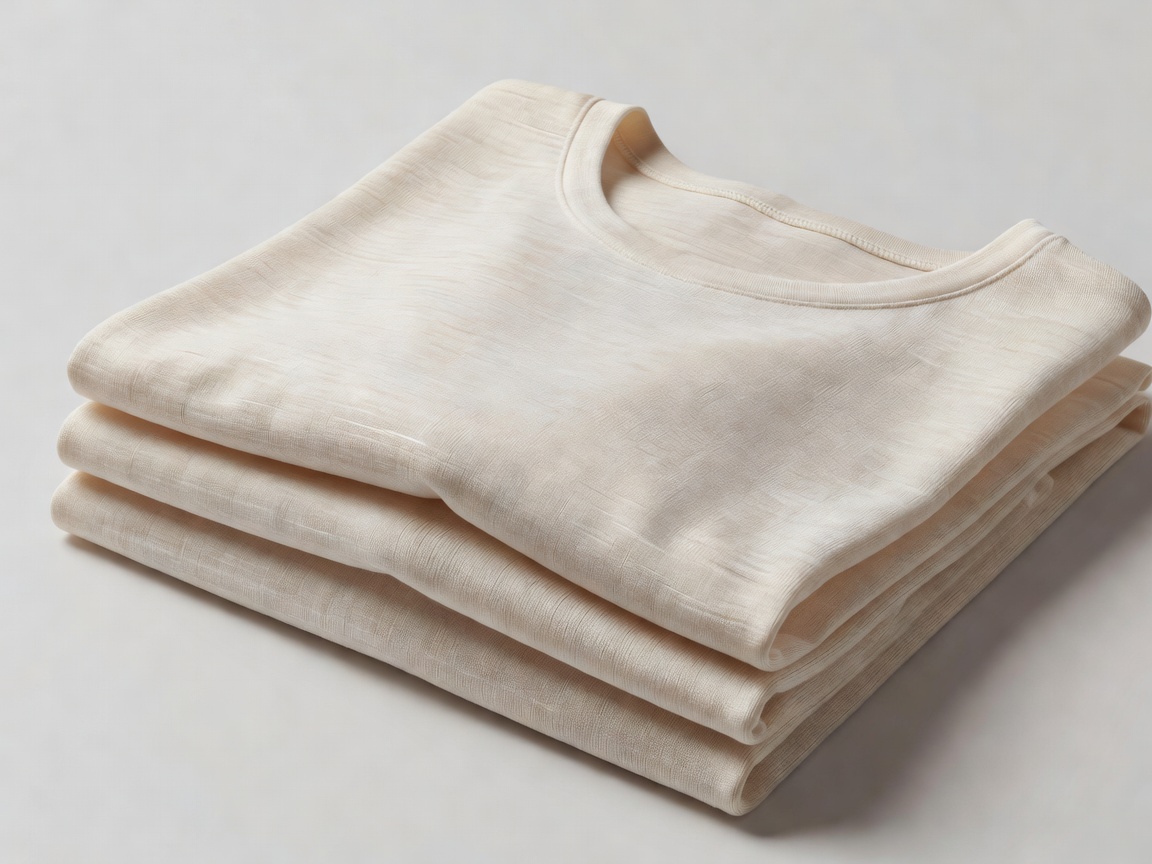
Cotton knits are the spring and late-summer workhorses: breathable, easy to wash, and low in itch. Linen and linen blends feel cool and crisp, and soften with each wash. Both lose warmth when damp, which is why they belong to drier, milder months.
Synthetics are often misunderstood. A small share of nylon (polyamide) in sock yarn or a sweater's cuffs adds abrasion resistance. Acrylic imitates wool's loft cheaply but tends to pill and hold odour. Superwash wool has been treated, usually with a chlorine process and a polymer coating, so its scales no longer lock together; it tolerates machine washing but loses some loft.
Certifications describe specific claims, not overall quality. OEKO-TEX Standard 100 tests finished textiles for harmful substances; the Global Organic Textile Standard (GOTS) covers organic fibre content and processing.
Fibres side by side
The table below is general guidance compiled from fibre properties; individual garments vary with spinning, stitch and finishing.
| Fibre | Warmth for weight | When damp | Pilling | Best season |
|---|---|---|---|---|
| Merino wool | High | Stays warm | Moderate | Autumn to spring |
| Shetland / lambswool | High | Stays warm | Low to moderate | Late autumn, winter |
| Cashmere | Very high | Stays warm | High in lower grades | Winter |
| Alpaca | Very high | Stays warm | Low | Deep winter |
| Mohair (brushed) | High | Stays warm | Low | Winter |
| Cotton | Low | Feels cold | Low | Spring, late summer |
| Linen blend | Low | Feels cold | Low | Summer |
| Acrylic | Moderate | Little absorption | High | Varies |
Reading fibre content on the label
In the United States the Textile Fiber Products Identification Act, and in the European Union Regulation (EU) No 1007/2011, require fibre composition to be disclosed. A label reading "70% wool, 30% nylon" tells you the sweater will feel mostly like wool but resist abrasion better. A label reading "10% cashmere" tells you to expect the behaviour of the other 90 percent.
Next, see how the same fibre changes character once it is knitted: How Knitted Structure Behaves.